

Total Hip Replacement in Seattle, WA
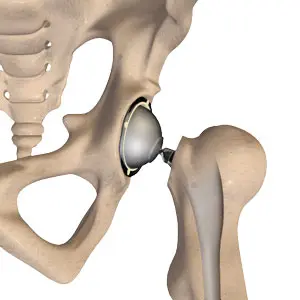
Persistent hip pain and stiffness can make walking, exercising, working, and everyday activities increasingly difficult. When hip arthritis or other joint damage no longer responds adequately to nonsurgical treatment, total hip replacement in Seattle, WA may be an option for restoring mobility and improving quality of life. Dr. Thomas Fraychineaud, MD, is a fellowship-trained orthopedic surgeon specializing in adult reconstruction, hip and knee replacement, revision joint replacement, and orthopedic trauma. He provides individualized evaluation and treatment planning for patients with painful or damaged hip joints, helping determine when hip replacement may be appropriate based on their condition, lifestyle, and goals.
What is Total Hip Replacement?
Total hip replacement is a surgical procedure in which the damaged cartilage and bone are removed from the hip joint and replaced with artificial components. The main indication for total hip replacement is arthritis.
Arthritis is the inflammation of joints, which results in pain, swelling, stiffness and limited movement. Hip arthritis is a common cause of chronic hip pain and disability.
What are the Symptoms of Arthritis?
The most common symptom of hip arthritis is joint pain and stiffness, resulting in a limited range of motion. Vigorous activity can increase pain and stiffness, which may cause limping while walking.
How is Arthritis Diagnosed?
Diagnosis is made by evaluating your medical history, performing a physical examination and taking X-rays of the arthritic joint.
What is the Procedure for Total Hip Replacement?
Surgery may be recommended if conservative treatment options such as anti-inflammatory medications and physical therapy do not relieve your symptoms.
The surgery is performed under general anesthesia. During the procedure, a surgical cut is made over the hip to expose the hip joint and the femur is dislocated from the acetabulum. The surface of the socket is cleaned and the damaged or arthritic bone removed using a reamer. The acetabular component is inserted into the socket using screws, or occasionally, bone cement. A liner made of plastic, ceramic or metal is placed inside the acetabular component.
The femur or thighbone is then prepared by removing the arthritic bone using special instruments to exactly fit the new metal femoral component. The femoral component is then inserted to the femur either by a press fit or using bone cement. Then the femoral head component made of metal or ceramic is placed on the femoral stem. All the new parts are secured in place using special cement. The muscles and tendons around the new joint are repaired and the incision is closed.
What is the Postoperative Care Involved in Total Hip Replacement?
After undergoing total hip replacement, you must take special care to prevent the new joint from dislocating and ensure proper healing. Some of the common precautions to be taken include:
- Avoid the combined movement of bending your hip and turning your foot inwards
- Keep a pillow between your legs while sleeping for 6 weeks
- Never cross your legs and bend your hips past a right angle (90)
- Avoid sitting on a low chair
- Avoid bending down to pick up things; instead, a grabber can be used to do so
- Use an elevated toilet seat
What are the Risks and Complications of Total Hip Replacement?
As with any major surgical procedure, there are certain potential risks and complications involved with total hip replacement surgery. The possible complications after total hip replacement may include:
- Infection
- Dislocation
- Fracture of the femur or pelvis
- Injury to nerves or blood vessels
- Formation of blood clots in the leg veins
- Leg length inequality
- Wearing out of the hip prosthesis
- Failure to relieve pain
- Scar formation
- Pressure sores
Why Choose Dr. Fraychineaud for Total Hip Replacement in Seattle, WA?
Selecting an orthopedic surgeon with specialized training in adult reconstruction is an important consideration when hip arthritis begins to interfere with your quality of life. Dr. Thomas Fraychineaud completed his orthopedic surgery residency at George Washington University and pursued fellowship training in adult reconstruction at the University of Minnesota. His specialized training includes hip and knee replacement as well as complex reconstructive procedures.
Dr. Fraychineaud also brings experience in revision joint replacement and orthopedic trauma and fracture care. His academic background and research involvement in joint replacement, biomechanics, and orthopedic outcomes complement his clinical training. For patients seeking total hip replacement in Seattle, he offers an individualized approach to evaluating hip pain, discussing treatment options, and determining whether joint replacement is appropriate.
Patients choose Dr. Fraychineaud for:
- Fellowship training in Adult Reconstruction and Joint Replacement
- Specialized expertise in hip and knee replacement
- Experience with primary and complex joint reconstruction
- Expertise in revision joint replacement
- Individualized treatment planning based on each patient's needs and goals
- Evidence-based orthopedic care informed by clinical research
- Comprehensive care focused on restoring mobility and function
Total Hip Replacement FAQs
When is total hip replacement recommended?
Total hip replacement may be considered when hip arthritis or other joint damage causes persistent pain, stiffness, and loss of function that significantly affects daily activities. Surgery is generally considered when appropriate nonsurgical treatments no longer provide sufficient relief. An orthopedic evaluation can help determine whether hip replacement is appropriate for your condition.
What conditions can require a total hip replacement?
Osteoarthritis is one of the most common reasons for total hip replacement. Other conditions that can damage the hip joint include rheumatoid arthritis, post-traumatic arthritis, avascular necrosis, certain hip fractures, and other degenerative conditions.
What happens during total hip replacement surgery?
During total hip replacement, damaged portions of the hip joint are removed and replaced with artificial components. The damaged femoral head is replaced with a prosthetic femoral component, while the damaged surface of the hip socket is replaced with an acetabular component and liner. The specific implant components and fixation method may vary based on the patient's anatomy, bone quality, and surgical plan.
How long does recovery take after total hip replacement?
Recovery varies depending on factors such as overall health, physical condition, surgical technique, and individual healing. Many patients begin walking soon after surgery and gradually increase their activity during recovery. Physical therapy or prescribed exercises may help restore strength, flexibility, and mobility. Your surgeon will provide individualized instructions regarding activity, driving, work, and exercise.
What precautions are needed after hip replacement?
Postoperative precautions can vary depending on the surgical approach, individual circumstances, and your surgeon's recommendations. Patients may receive temporary instructions regarding hip positioning, sleeping, sitting, bending, and other activities to reduce the risk of complications while the joint heals. Follow your surgeon's specific postoperative instructions rather than relying on a standard set of precautions.
What are the potential risks of total hip replacement?
Like any major surgery, total hip replacement has potential risks. These may include infection, blood clots, dislocation, fracture, nerve or blood vessel injury, differences in leg length, implant wear or loosening, persistent pain, and the possibility of additional surgery. Your orthopedic surgeon will discuss the potential benefits and risks before treatment.
Schedule a Total Hip Replacement Consultation in Seattle
If hip pain and stiffness are making it difficult to walk, exercise, sleep comfortably, or enjoy your normal activities, a personalized orthopedic evaluation can help you understand your options. Dr. Thomas Fraychineaud, MD, specializes in adult reconstruction and hip and knee replacement, including primary and complex joint replacement procedures.
Serving patients in Seattle and surrounding communities, Dr. Fraychineaud provides specialized orthopedic care focused on restoring mobility and helping patients make informed decisions about their treatment.
Contact Dr. Thomas Fraychineaud in Seattle, WA, to schedule a consultation and learn whether total hip replacement may be an appropriate option for your hip pain and arthritis.